Market Overview and Growth Projections
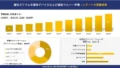
Japan’s smart lighting market was valued at $1.33 billion in 2025. The research firm predicts this market will reach $5.51 billion by 2034, demonstrating a Compound Annual Growth Rate (CAGR) of 17.09% from 2026 to 2034. This rapid expansion is attributed to government initiatives, advanced IoT integration, and growing consumer awareness of sustainable solutions. Key drivers include increasing demand for energy-efficient technologies, smart city development, and connected home systems.
Key Market Drivers
The significant growth in Japan’s smart lighting market is propelled by a rising concern for environmental issues and government efforts to promote energy conservation, accelerating the adoption of energy-efficient solutions. Technological advancements, such as IoT integration, wireless communication, and automation systems, enhance the performance and usability of smart lighting, making it appealing for both residential and commercial sectors.
Furthermore, increasing urbanization and smart city developments in Japan are fueling demand for advanced lighting systems that offer cost-effectiveness and improved energy management. The widespread adoption of durable and energy-efficient LED (Light Emitting Diode) based lighting solutions is also contributing to market expansion, as consumers seek long-term savings on electricity bills. For instance, in June 2023, Endo Lighting Corporation launched its Synca Smart LED lighting, offering 121 accenting colors, a temperature range of 1800K to 12000K, a glare-free design, and smartphone personalization. Additionally, growing consumer awareness of sustainable living is driving a shift towards smart lighting solutions equipped with advanced sensors and control functions.
The market’s growth is also influenced by the increasing demand for connected home technologies, where lighting plays an essential role in enhancing convenience and comfort. The integration of AI (Artificial Intelligence) and voice control systems is transforming smart lighting into an integral component of modern home automation. Increased infrastructure investments in commercial facilities like offices, hotels, and shopping complexes are escalating the installation of smart lighting for energy optimization and aesthetic appeal. The expanding availability of wireless and sensor-based lighting solutions simplifies installation, further encouraging adoption among end-users. For example, in February 2024, Musashi released the GL-S100SV Garden Solar Sensor Light, a solar-powered stainless steel design with three lighting modes, offering reliable, eco-friendly, and maintenance-free lighting for gardens and outdoor spaces. Favorable regulatory policies promoting energy-efficient lighting and the presence of major companies investing in technological innovation further bolster the market. The emphasis on reducing carbon emissions and achieving sustainable energy goals aligns perfectly with the benefits of smart lighting, ensuring its continued expansion.
Emerging Market Trends
IoT-Enabled Smart Lighting Systems
The adoption of IoT-enabled smart lighting systems is a significant trend in Japan’s market. These solutions offer centralized control, remote access, and real-time energy monitoring, providing advantages to residential, commercial, and industrial users seeking enhanced energy efficiency. IoT-enabled lighting allows users to personalize schedules and optimize consumption by reviewing usage patterns through connected devices. This is particularly relevant in smart city projects and infrastructure upgrades where intelligent, automated lighting is crucial for energy savings. IoT integration also enables interoperability with other smart home and building systems, fostering a cohesive environment for improved energy management and user convenience. As IoT technology advances, its application in smart lighting solutions is becoming more economical and scalable.
Rise of Human-Centric Lighting (HCL)
The increasing demand for Human-Centric Lighting (HCL) is another prominent trend. HCL, designed to maximize comfort, productivity, and well-being, is gaining traction in Japan’s smart lighting industry. Solutions fulfilling HCL adjust light intensity, brightness, and color temperature to align with human circadian rhythms, improving health and mood. This form of smart lighting is particularly sought after in corporate offices, healthcare facilities, and educational institutions. Growing awareness of lighting’s impact on mental and physical health is accelerating demand for advanced lighting systems. Furthermore, developments in LED technology enable precise control of lighting characteristics, leading to tailored solutions that enhance efficiency and support sustainable development goals.
Integration of AI and Voice Control Technologies
The accelerating integration of AI and voice control technologies is transforming smart lighting into an indispensable part of Japanese home and building automation systems. For example, in August 2024, Sony Corporation launched a voice-activated smart lighting system, offering seamless integration with smart home ecosystems, enhanced convenience through advanced voice response technology, and improved energy efficiency. AI-powered systems analyze user preferences, lighting habits, and environmental conditions to provide automated, energy-saving lighting solutions. Voice control assistants like Amazon Alexa, Google Assistant, and Apple Siri enhance the user experience by enabling hands-free operation of lighting systems. This trend is especially noticeable in residential and hospitality sectors where convenience and personalization are prioritized. AI integration also facilitates predictive maintenance and energy optimization, reducing operational costs in commercial applications. Continuous advancements are making smart lighting systems smarter and more intuitive, integrating seamlessly with broader smart ecosystems.
Market Segmentation Analysis
The report provides forecasts from 2026 to 2034, analyzing key trends across various segments of Japan’s smart lighting market, categorized by offering, communication technology, installation type, light source, and application.
By Offering
-
Hardware: This segment includes LED bulbs, fixtures, and advanced controllers that enable efficient energy use and customizable lighting solutions. Advancements in hardware, such as smart sensors and IoT integration, drive adoption in residential and commercial spaces, enhancing energy efficiency and user convenience.
-
Software: Software solutions manage and optimize smart lighting systems through analytics, remote control, and automation. AI and IoT-powered platforms enable real-time monitoring, predictive maintenance, and energy optimization, making software essential for smart city projects and modernized building management systems.
-
Services: This segment encompasses installation, maintenance, and consulting for smart lighting systems. As adoption progresses, there is increasing demand for professional support in system integration and troubleshooting. Customized services ensure optimal system performance and effective achievement of energy-saving goals for both commercial and residential users.
By Communication Technology
-
Wired Technology: Dominates Japan’s smart lighting market in large-scale commercial and industrial projects due to its robustness, reliability, and security. Wired systems support the seamless integration of complex infrastructures, such as energy management systems and IoT-enabled automation solutions, in applications with minimal signal interference.
-
Wireless Technology: Rapidly gaining traction, especially in residential and small to medium-sized commercial facilities. Advances in Wi-Fi, Bluetooth, and Zigbee make them flexible, easy to install, and scalable. Smart homes and renovation projects are also rapidly adopting wireless solutions due to the convenience and control they offer end-users.
By Installation Type
-
New Installation: Contributes significantly to the growth of Japan’s smart lighting market, particularly evident in smart city and modern infrastructure projects. Integrating IoT systems, automated controls, and energy-efficient LEDs offers various benefits in residential, commercial, and industrial spaces with advanced energy management and sustainability in urban development.
-
Retrofit Installation: Focuses on upgrading existing lighting systems with energy-efficient LEDs and smart controls. Environmental regulations and cost savings are driving businesses and households to transition from conventional lighting to modern solutions. This segment is gaining momentum as older infrastructures adopt IoT-enabled smart lighting to improve performance and efficiency.
By Light Source
-
LED Lamps: Dominate Japan’s smart lighting market due to their energy efficiency, durability, and adaptability to IoT systems. Increasing demand for smart homes, government energy-saving initiatives, and smart city projects continue to drive widespread adoption across residential and commercial sectors.
-
Fluorescent Lamps: Continue to be used, especially in older infrastructures and cost-sensitive projects. However, market share is declining as businesses and households shift to energy-efficient LED lighting, driven by sustainability goals and advanced lighting technologies.
-
CFL (Compact Fluorescent Lamps): While offering improved energy efficiency over traditional lighting, demand is decreasing as LED lamps provide superior lifespan, lower power consumption, and compatibility with automation systems. Environmental concerns leading to phased-out usage accelerate the transition to advanced LED solutions.
-
HID Lamps (High-Intensity Discharge Lamps): Still used in industrial, outdoor, and infrastructure applications such as stadiums and highways. However, their adoption is slowing as energy-efficient LED lighting systems with IoT capabilities offer superior performance, cost-effectiveness, and enhanced control features.
-
Others: This segment includes halogen and incandescent lamps, which are being rapidly phased out due to low efficiency and environmental regulations. Ongoing innovations in smart lighting technologies, such as OLED and laser-based solutions, are further transforming the market by enhancing energy savings.
By Application
-
Commercial: Drives significant growth in Japan’s smart lighting market, with widespread adoption in offices, retail spaces, and industrial facilities. Energy-efficient LEDs, IoT-enabled controls, and automation systems reduce operational costs, improve productivity, and create sustainable, smart environments tailored to business needs and energy management goals.
-
Residential: Rapidly adopting smart lighting due to increasing demand for smart homes and connected devices. Wireless technologies, IoT integration, and energy-efficient LEDs offer homeowners convenience, energy savings, and customizable lighting solutions, enhancing comfort and automation in modern living spaces.
-
Public Infrastructure: Smart lighting is essential in public infrastructure, including streets, parks, airports, and transportation systems. Government initiatives concerning energy efficiency, smart city development, and sustainability goals are driving the adoption of automated LED-based systems that ensure safety, cost-effectiveness, and reduced energy consumption across public spaces.
-
Others: This segment includes specialized applications such as healthcare facilities, hospitality, educational institutions, and sports arenas. Demand for intelligent lighting systems that enhance functionality, energy efficiency, and user experience continues to grow, especially in sectors prioritizing sustainability, automation, and smart technology integration.
Regional Analysis
The Kanto region, including Tokyo and Yokohama, leads Japan’s smart lighting market. Driven by urbanization, smart city projects, and high residential demand, IoT-integrated lighting solutions and energy-efficient LEDs are rapidly adopted in commercial, residential, and infrastructure development.
The Kansai region, home to Osaka and Kyoto, is witnessing strong adoption of smart lighting in smart buildings and industrial sectors. Government energy-saving initiatives, urban regeneration projects, and increasing demand for automated lighting in public infrastructure are driving market growth in this region.
The Chubu region, a major industrial hub with cities like Nagoya, focuses on integrating smart lighting into factories and logistics centers. Increased industrial automation, LED penetration, and energy management systems contribute significantly to adoption in commercial and industrial spaces.
Kyushu-Okinawa is implementing smart lighting through energy-efficient technologies in residential and tourism sectors. Smart city initiatives, government incentives, and a growing emphasis on sustainability are accelerating the adoption of IoT-enabled lighting systems in public facilities and private properties.
The Tohoku region, known for its reconstruction projects since 2011, is integrating smart lighting for energy-efficient infrastructure. Government-led initiatives and demand for LED-based lighting solutions are boosting market growth in public facilities, residential areas, and disaster-resilient urban planning projects.
The Chugoku region’s focus on smart infrastructure and commercial facilities is driving smart lighting adoption. The development of urban centers and manufacturing hubs promotes the use of connected lighting systems, ensuring energy savings and improved operational efficiency for industries and municipalities.
Hokkaido is experiencing steady adoption of smart lighting, particularly in eco-friendly housing projects and public spaces. The emphasis on energy savings for heating-intensive winters and government incentives for sustainability further encourage the adoption of automated LED-based lighting solutions.
Shikoku, a region with smaller urban centers, is gradually introducing smart lighting solutions in public infrastructure and local businesses. The integration of renewable energy, prioritization of cost-effectiveness, and government support for energy-efficient technologies are driving steady growth in this emerging regional market.
Competitive Landscape
Japan’s smart lighting market is characterized by the presence of global and domestic companies focused on innovation, energy efficiency, and sustainability. Many leading companies are driving market growth through advancements in IoT-enabled systems, LED technology, and Human-Centric Lighting solutions. Key players are investing heavily in Research & Development (R&D) to introduce AI-powered lighting systems and voice-controlled solutions that cater to evolving consumer preferences. Collaborations with smart city projects and infrastructure developments further strengthen their market positions. The emergence of local manufacturers and startups offering cost-effective and eco-friendly solutions intensifies competition. Additionally, strategic partnerships, mergers, and acquisitions are expanding product portfolios and market reach. The report provides a comprehensive analysis of the competitive landscape, including detailed profiles of all major companies.
What is Smart Lighting?
Smart lighting refers to next-generation lighting systems that can be remotely operated or automatically controlled via internet connectivity and wireless communication technologies from devices like smartphones, tablets, and smart speakers. Unlike traditional lighting, which is limited to physical switch on/off and basic dimming, smart lighting offers more advanced control and diverse functions, bringing new value and convenience to living spaces.
At its core is the fusion of LED technology and communication technology. LEDs excel in low power consumption, long lifespan, compact size, and flexibility in color reproduction and dimming. When combined with wireless communication protocols such as Wi-Fi, Bluetooth, Zigbee, and Z-Wave, smart lighting achieves multifunctional capabilities previously impossible.
The key features of smart lighting are diverse. Firstly, through smartphones or dedicated apps, users can remotely control lighting from anywhere, both inside and outside the home, including on/off, brightness (dimming), color temperature (from incandescent to daylight white), and even RGB colors (full color). This allows for instant creation of optimal light environments according to time of day, mood, or purpose. For example, users can switch to daylight white for reading to enhance concentration, warm incandescent for relaxation in the evening, or colorful effects for parties.
Secondly, automation and scheduling functions are available. Lighting can be set to automatically turn on/off at specific dates and times, or linked to sunrise and sunset times. Furthermore, by integrating with motion sensors, door/window sensors, and even indoor illuminance sensors, automatic control can be achieved in response to human movement or environmental changes. For instance, lights can automatically turn on when entering a room and off when leaving, or all lights can be turned off when going out, significantly reducing wasted power and improving daily convenience.
Integration with voice assistants is also a major feature of smart lighting. Through smart speakers equipped with Amazon Alexa, Google Assistant, and Apple Siri, lighting can be operated with natural voice commands such as “Turn on the light” or “Make the living room light red.” This allows for easy control of lighting even when hands are occupied or in the dark.
The “scene setting” function, which controls multiple lights at once, is also highly convenient. For example, a “movie watching mode” can dim living room lights and turn on indirect lighting around the TV with a single command or button press. This allows for easy changes in room ambiance and automation of daily routines.
Smart lighting not only functions independently but also enhances its value through integration with other smart home devices. It can turn on entryway lights when a smart lock is disarmed upon returning home, or optimize indoor lighting by coordinating with smart blinds to adjust natural light entry. This allows for customization of the entire living space according to user lifestyle and preferences, improving comfort, safety, and energy efficiency.
Thus, smart lighting is not just a light source; it deeply integrates into our lives, enhancing the quality of living spaces by improving convenience, energy efficiency, and providing a richer, personalized light environment. While challenges such as initial installation costs and setup complexity exist, continuous technological evolution and widespread adoption are expected to make it an even more familiar and indispensable presence in the future.
Further Information
For inquiries and applications regarding this English research report, please visit:
https://www.marketresearch.co.jp/contacts/
For more information about Market Research Center Co., Ltd., please visit:
https://www.marketresearch.co.jp/