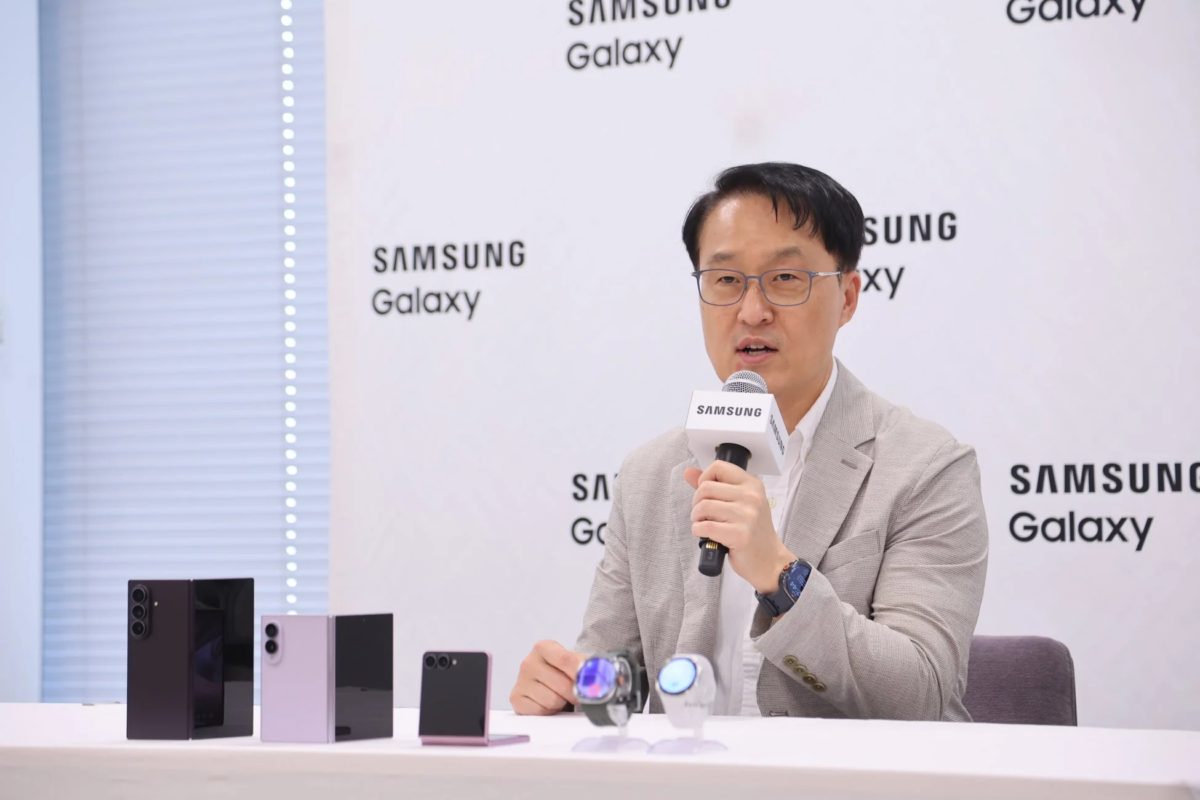
- Realizing the “Ideal Foldable” from 7 Generations of User Insight
- Three Form Factors Addressing Diverse Needs
- “End-to-End Technical Innovation” Optimizing from Materials to Experience Value
- “Flex Titanium” Technology: Innovation in Display Structure
- Japanese Companies Key to “Flex Titanium” Technology Development
- Battery and Charging System Innovations
- Over 100 Reliability Tests Simulating Real-World Usage
- Comment from Byung-Duk Yang
- About the Speaker
- Samsung Galaxy Z Fold8 Ultra|Fold8|Flip8
Realizing the “Ideal Foldable” from 7 Generations of User Insight
Since the introduction of the first “Galaxy Fold” in 2019, Samsung has continuously evolved its technology across multiple generations, striving for thinner, lighter, more robust, and practical foldable smartphones. This commitment extends to every aspect, from the display and hinge to the battery, cooling design, and overall user experience. This evolution is noted for driving the development of the entire foldable smartphone market.
Samsung’s extensive experience across seven generations of foldable technology has led to the conclusion that “the ideal foldable cannot be defined by a single form.” User needs are diverse, ranging from those who seek enhanced productivity with a large screen, to those desiring deep immersion in content, or a compact device for self-expression. To achieve this “ideal foldable,” Samsung pursued three core technological innovations: “a larger, more immersive display experience,” “thinner, lighter, yet more robust durability,” and “uncompromising Ultra-level performance.” This approach resulted in three distinct models designed to provide a complete user experience.
Three Form Factors Addressing Diverse Needs
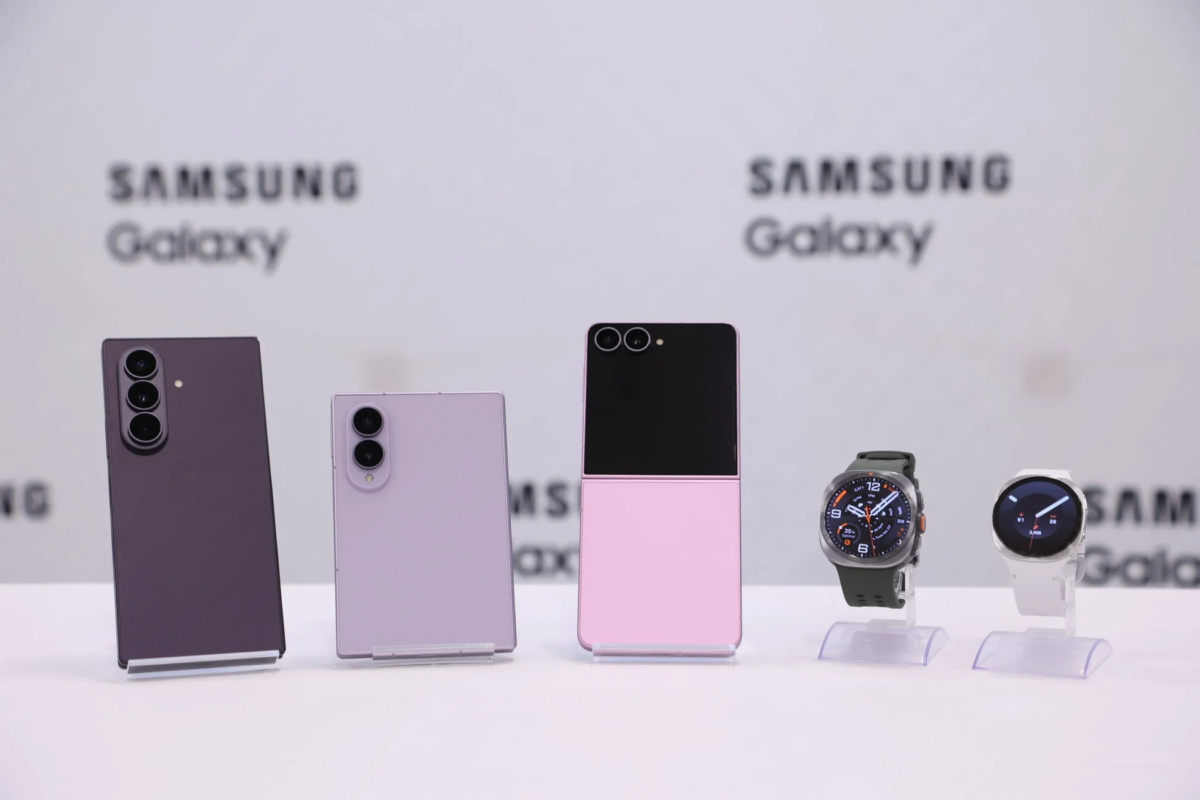
The new foldable smartphone lineup includes the “Samsung Galaxy Z Fold8 Ultra,” designed as the most powerful model to maximize operability and productivity through its large screen and AI features. The “Samsung Galaxy Z Fold8” is crafted for a highly immersive experience with everyday content and entertainment. Meanwhile, the “Samsung Galaxy Z Flip8” offers a compact, stylish, and AI-native model, allowing for personal expression. This lineup represents the most complete Samsung Galaxy Z series to date, tailored to various lifestyles and Galaxy AI usage scenarios.
“End-to-End Technical Innovation” Optimizing from Materials to Experience Value
Achieving enhanced experiential value across the three foldable models requires more than just changes in size, shape, or design. Key components in a foldable smartphone, such as the display structure, hinge, battery, cooling system, and internal structure, are intricately interconnected. For example, the display influences device thickness and internal space, while the hinge affects not only durability but also the feel of opening and closing the device. Therefore, Samsung prioritized “end-to-end technical innovation,” which involves a comprehensive, system-level review of the entire product—from materials and display structure to hinges, batteries, cooling systems, and internal structures—rather than merely making individual components thinner or higher performing.
“Flex Titanium” Technology: Innovation in Display Structure
A pivotal role in the new “Samsung Galaxy Z series” is played by the innovative “Flex Titanium” technology. To achieve a thinner device, it was essential to develop a material and structure that could protect and support the display while offering the necessary flexibility for folding, along with strength and durability for long-term use. Through seven generations of development, analyzing real-world usage data, impact tests, service data, and verification results, Samsung re-evaluated the required materials and structure to realize thinner foldable smartphones and found a way to suppress long-term deformation of the crease while enhancing its recovery.
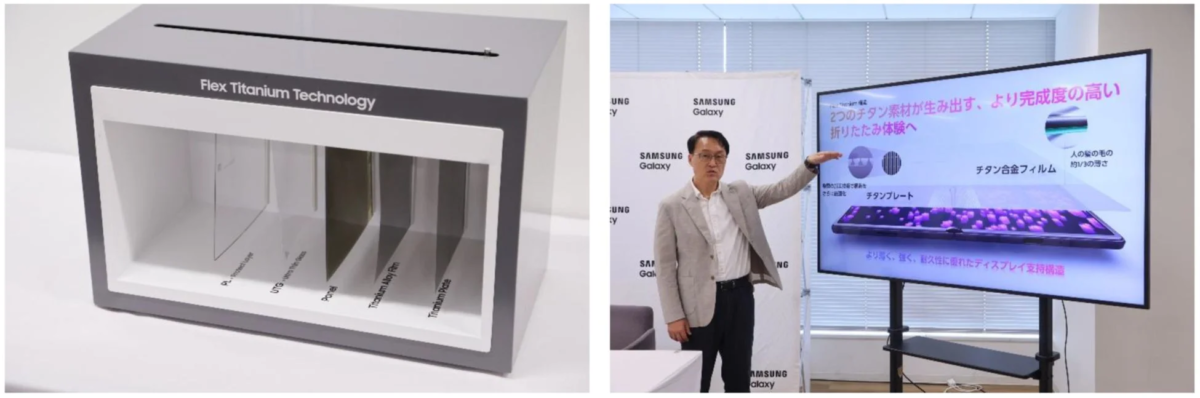
Titanium was identified as the ideal material due to its superior strength, structural stability, and resistance to deformation even with repeated use. Its performance is well-proven, with widespread use in demanding environments such as aerospace. However, simply selecting titanium was not enough; the true challenge lay in maintaining titanium’s inherent strength while processing it thinly enough to be flexible for bending and unfolding in a smartphone. Samsung’s “Flex Titanium” technology resolves this challenge by combining two materials: a titanium plate and a titanium alloy film.
-
Titanium Plate: Serves as the primary support structure beneath the display, absorbing pressure and impact. It incorporates a precise structure of Grade 4 titanium to maintain strength while ensuring the flexibility required for folding. A hybrid manufacturing process, combining wet etching for larger holes in the lower part and laser cutting for fine patterns in the upper part, creates a precise lattice structure in the folding area.
-
Titanium Alloy Film: A titanium alloy containing vanadium, aluminum, and chromium was chosen for its balance of strength and flexibility. Ultra-thin processing and heat treatment achieve a thickness of approximately one-third of a human hair, ensuring long-term durability.
During the development of this technology, a focus was also placed on creating an “easy-open structure” based on user feedback. Addressing concerns about difficulty in opening thinner devices, Samsung precisely adjusted the hinge, magnet structure, and display tension. Additionally, fine grooves were incorporated at the edge of the folding section, allowing users to open the device with a natural motion. The crucial aspect of this development was not merely pursuing thinness, but achieving a slim form factor alongside a smoother opening and closing experience.
This “Flex Titanium” technology delivers the following user experiences:
-
More Immersive Display Experience: A flatter screen, improved crease, and a new anti-reflective coating provide an immersive viewing experience.
-
Thinner, Lighter Design: Module thinning results in the “Samsung Galaxy Z Fold8 Ultra” being approximately 4.1mm thick (the world’s thinnest foldable) and the “Samsung Galaxy Z Fold8” weighing approximately 201g (the world’s lightest foldable).
-
Ultra-level Performance: A 10% reduction in display module thickness creates more efficient internal space, allowing for a larger battery and an enhanced cooling design, leading to uncompromising performance.
Japanese Companies Key to “Flex Titanium” Technology Development
Yang described this project as “the most difficult and most innovative project” in his experience, having been involved in foldable smartphone development since the first Galaxy Fold.
Samsung set flexibility and durability targets for next-generation foldable smartphones based on simulations and user experience analysis. After considering materials worldwide that could meet both criteria, titanium was identified. However, simply adopting titanium was not enough; it was necessary to maintain the required strength while processing it thinly enough for a foldable smartphone and achieving consistent, stable quality. After extensive discussions with titanium-related companies globally, it was a Japanese company that could meet Samsung’s demanding standards for material and processing technology. This marked the beginning of close collaboration with Japanese companies. The development was challenging, facing difficulties that nearly halted the project multiple times, leading it to be internally referred to as the “‘Saving Private Ryan Project’.” Despite these hurdles, working together with the Japanese company allowed Samsung to achieve the technological innovation it sought. Yang expressed his gratitude for this collaboration during the event.
Battery and Charging System Innovations
Another significant technical challenge in making foldable smartphones thinner is the battery. It is essential to achieve longer usage times and faster charging within the limited internal space of the device, while maintaining safety and long-term stability.
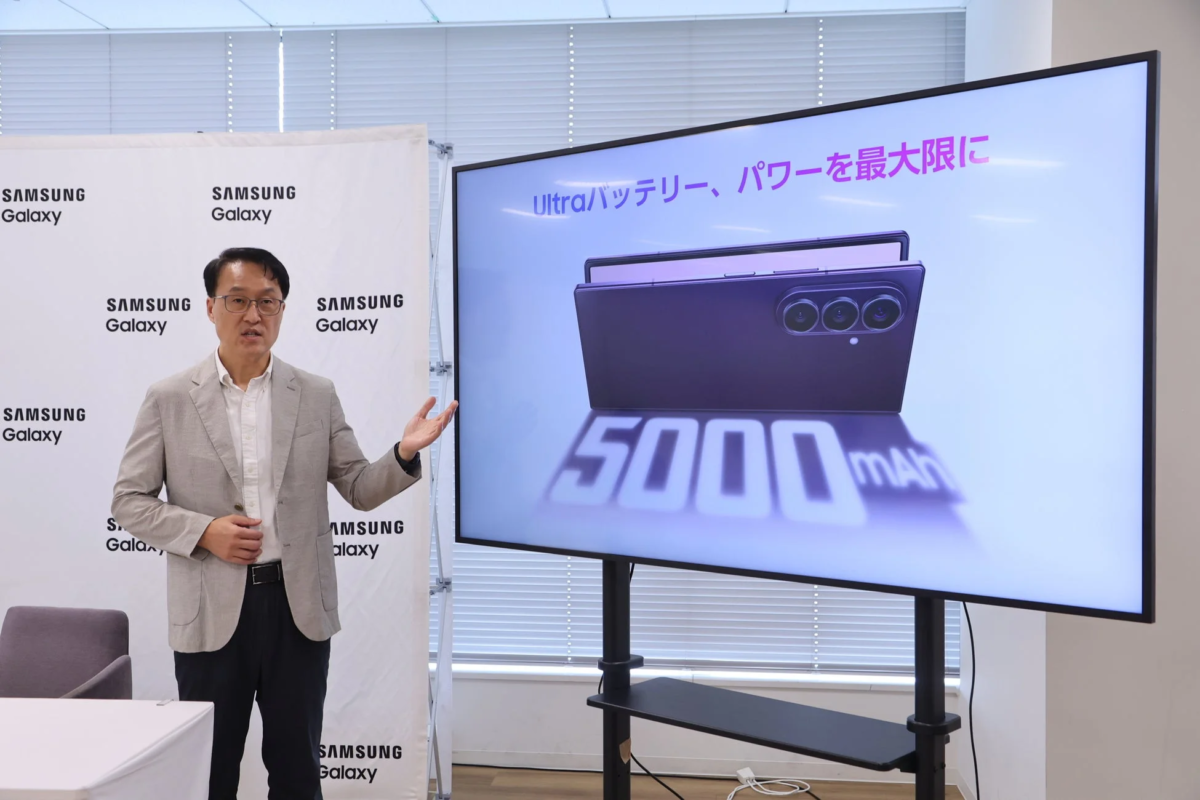
In the “Samsung Galaxy Z Fold8 Ultra,” a battery capacity of 5,000mAh was achieved while maintaining a thin design. This required a complete redesign of the battery system, not just installing a larger battery. To increase energy density, the introduction of a new “silicon-carbon anode material” was decided. To accommodate the properties of silicon-carbon, a thin carbon coating was applied to the anode to reduce the reactivity of silicon-carbon particles and control expansion. Coating and doping were applied to the cathode to maintain its structure even at higher voltages. For the electrolyte walls, additives were used to form a silicon surface, suppressing silicon reactivity and expansion, ensuring long-term cell stability. Finally, the separator, made of an anti-porous material, maintains strength and heat resistance while improving ion mobility. By adjusting the entire cell system in this manner, high battery capacity and reliable performance were realized.
Furthermore, the “Samsung Galaxy Z Fold8 Ultra” and “Samsung Galaxy Z Fold8” are the first in the foldable series to adopt “45W super-fast charging.” The focus was not solely on charging speed; the charging system was optimized for each product’s unique battery structure and form factor. This design allows for faster charging while effectively suppressing heat generation, ensuring stable performance over an extended period. As a result of optimizing the battery system and charging technology for each product, all three models offer a comfortable battery experience best suited to their respective designs.
Over 100 Reliability Tests Simulating Real-World Usage
Samsung conducts over 100 types of reliability tests on its finished products to ensure users can use them with confidence every day. These tests encompass various conditions that may occur in daily life, including drops, repeated folding and unfolding, pressure, moisture, and foreign object ingress. The emphasis is not merely on passing tests but on verifying how the device performs in actual usage environments.
Comment from Byung-Duk Yang
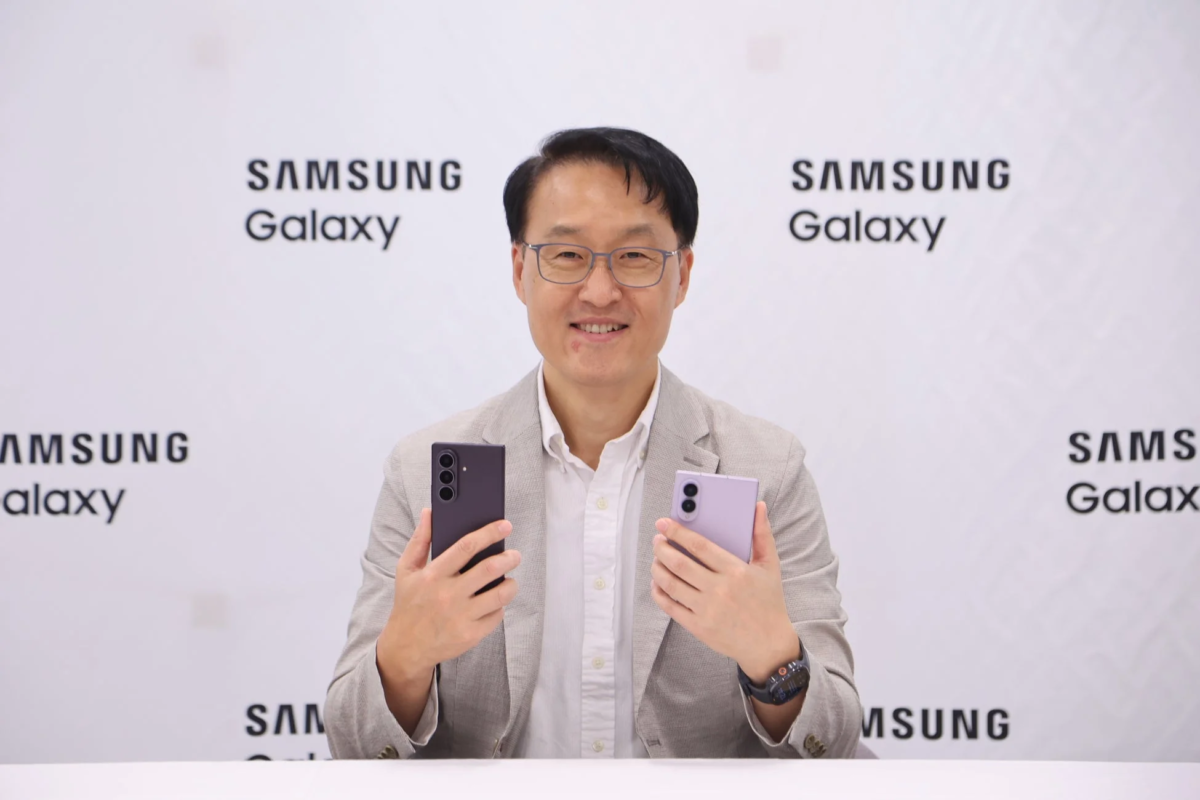
“I have been involved in the development of foldable smartphones since the first generation, and this project was the most challenging and most innovative. The starting point for all technological innovation is understanding the user. Insights into how users use foldable smartphones and what they seek led to material innovation and the creation of new technologies like ‘Flex Titanium.’ These innovations, in turn, led to designs that improve the user experience, allowing us to offer three complete experiences: ‘a larger, more immersive display experience,’ ‘thinner, lighter, yet more robust durability,’ and ‘uncompromising Ultra-level performance.’ Samsung will continue to set new standards for foldable technology.”
About the Speaker

Byung-Duk Yang, Vice President / Deputy Team Leader, Component Technology Team, Samsung Electronics
Since joining Samsung in 2018, Byung-Duk Yang has spearheaded advancements in mobile display technology, spanning materials, panel architecture, mechanical design, drive circuits, and system integration. He established the fundamental design for foldable displays and led their commercialization. His achievements include numerous industry-first technologies for the initial foldable devices, such as the Lattice Metal Structure, Ultra-Thin Glass (UTG), cover screens, Under-Display Camera (UDC) technology, and EMR pen input. These innovations laid the groundwork for the current industry-standard foldable display designs, known for their durability and reliability, ushering in a new era of foldable displays. He also led the Video Hybrid Mode, achieving standardization as part of the MIPI DSI standard through cross-industry collaboration, significantly improving power efficiency and user experience. Furthermore, he conceived and commercialized the world’s first built-in privacy display for smartphones, creating a new category in display design, which has been implemented in the “Samsung Galaxy S26 Ultra.” In May 2026, he received the SID (Society for Information Display) Special Recognition Award, a prestigious achievement as the first recipient from Samsung Electronics’ MX (Mobile eXperience) Business Division.
Samsung Galaxy Z Fold8 Ultra|Fold8|Flip8
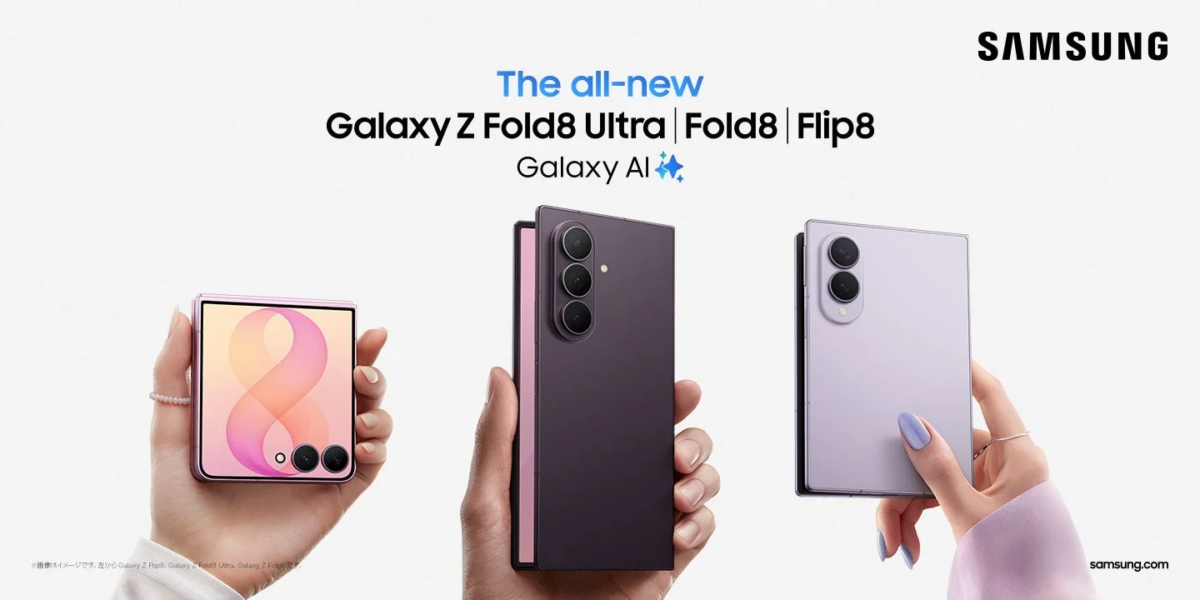
Samsung’s 8th generation foldable smartphones, including the new passport-sized “Samsung Galaxy Z Fold8” as a new lineup addition, offer three distinct foldable experiences: Ultra-level productivity, immersive experiences, and self-expression. These three types of foldable smartphones were launched domestically on August 7th.
The “Samsung Galaxy Z Fold8 Ultra,” the thinnest foldable smartphone in Samsung Galaxy history, has achieved further thinness compared to its predecessor, the “Samsung Galaxy Z Fold7.” Its battery capacity has also increased by 600mAh to 5000mAh, and the screen crease has become less noticeable. Furthermore, the triple camera system, with a significantly upgraded 50-megapixel ultra-wide lens, boasts approximately 34% better brightness, enabling more detailed photography.
The “Samsung Galaxy Z Fold8,” designed for immersive content, features a 10:16 cover screen and a 4:3 main display, allowing users to enjoy movies, social media, and manga content across the entire screen. Like the Ultra model, it supports two-screen and three-screen multi-window displays, with this model also capable of three-screen horizontal display.
The “Samsung Galaxy Z Flip8” achieves the thinnest and lightest design in the Samsung Galaxy Z Flip series, measuring 6.1mm when open and weighing approximately 180g. With support for the latest “One UI9,” an app tray can now be displayed on the Flex Window without additional apps. Moreover, “Galaxy AI,” optimized for foldable screens, introduces new features such as “Now Nudge,” which suggests next actions from conversations and allows parallel operations on the large screen, and “My Fancam,” a popular feature for creating videos focused on specific individuals for ‘fancams’ and ‘solo angles.’ AI is designed to support users in various daily scenarios.
For more information, please visit:
“Samsung Galaxy” is a trademark or registered trademark of Samsung Electronics Co., Ltd. Other company names, product names, and service names mentioned are trademarks or registered trademarks of their respective companies.