Special Lecture by Dentist and Author Dr. Tomoyuki Gotoh
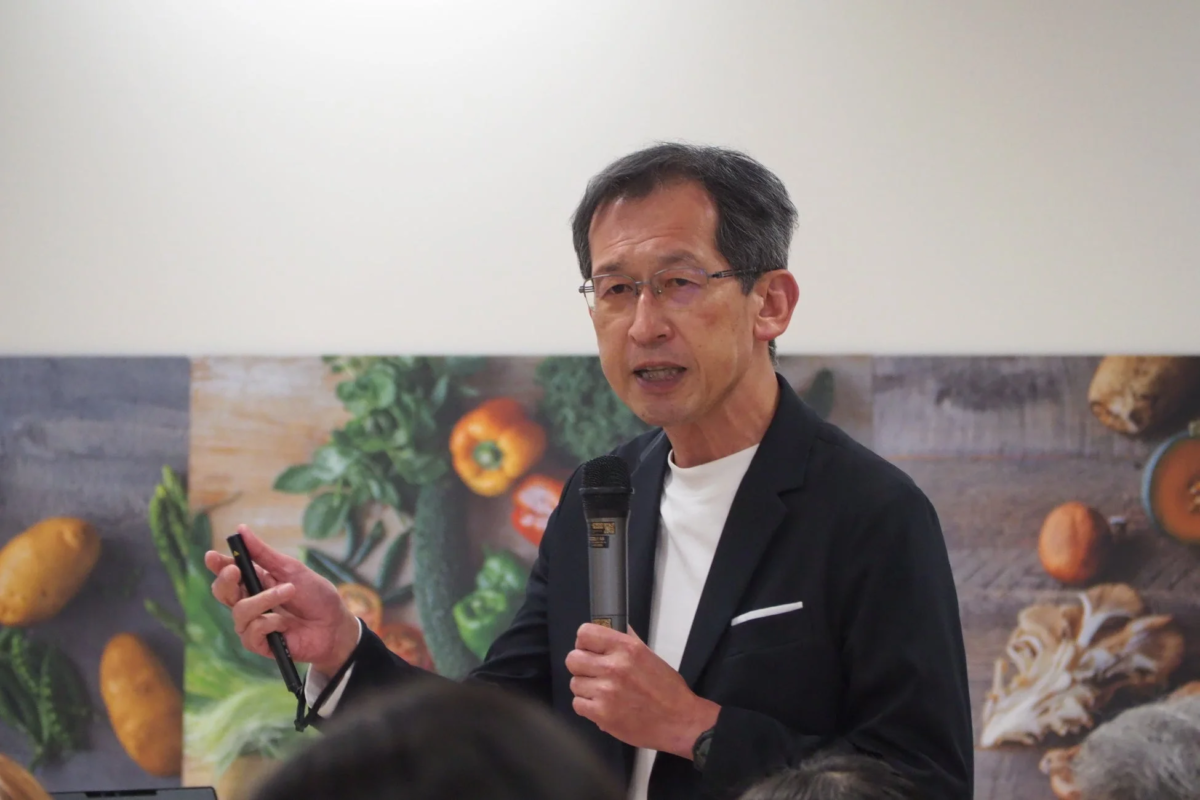
The event featured a product explanation by the development team and a special lecture by Dr. Tomoyuki Gotoh, a dentist and author. Dr. Gotoh, known for his work in “dignity in eating” – supporting individuals to eat orally until the very end – spoke on the theme “What you eat is how you live,” discussing strategies to support the dietary needs of the elderly.

Dr. Gotoh, born in Hiroshima, is a dentist and author. He is the representative of Fureai Dental Gotoh and the Shinjuku Food Support Research Group. Since 1997, he has been involved in home dental care and is a leading figure in community-based “food support,” promoting multidisciplinary collaboration for oral care and eating support until the end of life.
Causes of Difficulty in Oral Intake
Dr. Gotoh explained that the inability to eat orally is not solely due to illness. “Sarcopenia,” a condition involving a progressive and generalized loss of muscle mass and strength, including swallowing muscles, due to aging, decreased activity, or bed rest during hospitalization, is a significant factor. Muscle loss is said to accelerate from the ages of 30-40, decreasing by 1% annually. However, for elderly individuals hospitalized and at rest, muscle mass can decrease by 0.5% per day, meaning a week of hospitalization can result in the loss of three years’ worth of muscle.
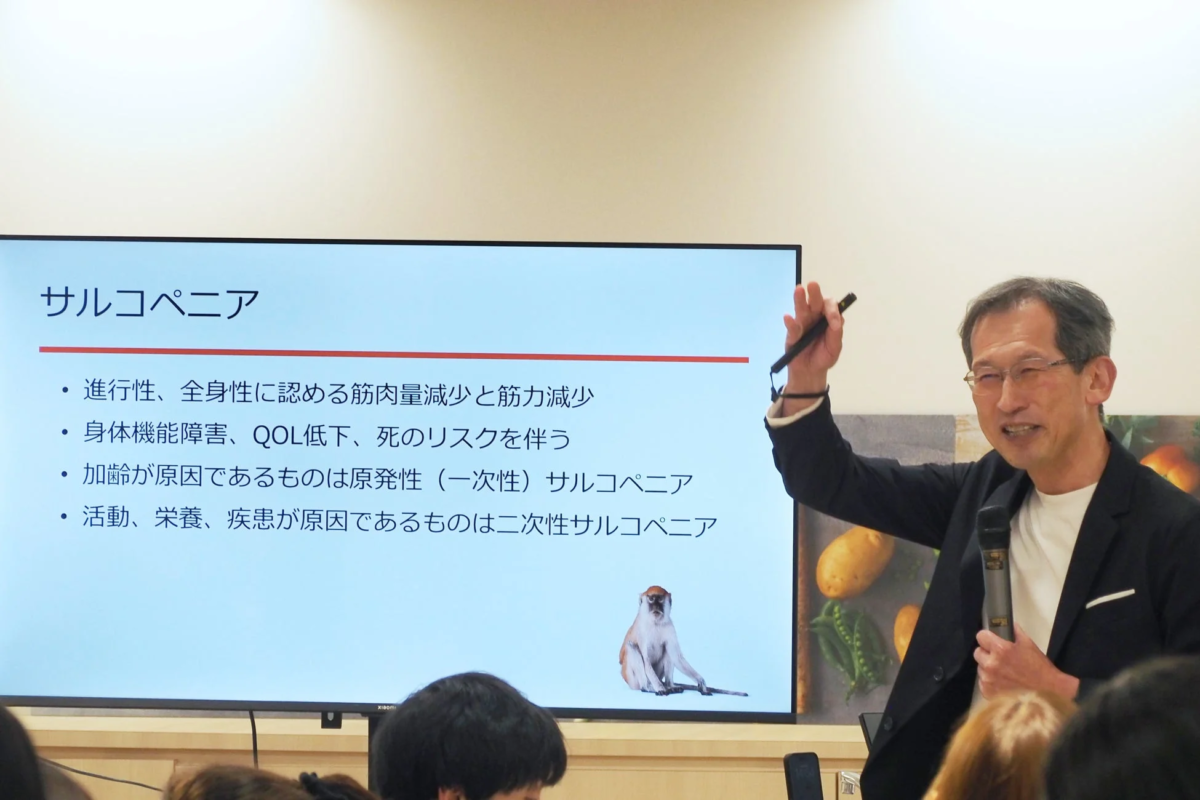
The incidence of dysphagia due to sarcopenia is approximately 41% after aspiration pneumonia and 34% after femoral neck fracture. Dr. Gotoh noted, “Japan sees about 250,000 femoral neck fractures annually, and 34% of those means 80,000 people each year who could eat before suddenly can’t. People who cannot eat orally are right next to us,” emphasizing that this is a reality many may face.
The Importance of Visual Appeal and Chewing
Approximately 30% of seniors aged 65 and over have chewing problems, and about 70% of elderly individuals receiving home care are malnourished. To address this, Dr. Gotoh outlined three essential conditions for elderly diets: stimulating the five senses, food texture adapted to chewing ability, and high nutritional value. He particularly highlighted that visual elements, such as the appearance and shape of food, significantly influence the desire to eat.
He further explained that the primary purpose of chewing is not merely to break down food but to form a bolus suitable for swallowing (food bolus formation). Crucially, “food recognition ability” is more vital than mere chewing strength. Chewing also promotes digestion and absorption, prevents tooth decay and periodontal disease through saliva secretion, helps prevent obesity and lifestyle diseases, enhances meal enjoyment, and activates the frontal lobe, contributing to dementia prevention. He concluded, “Chewing must be maintained as much as possible.”
Smart Appliances for Elderly Food Support at Home
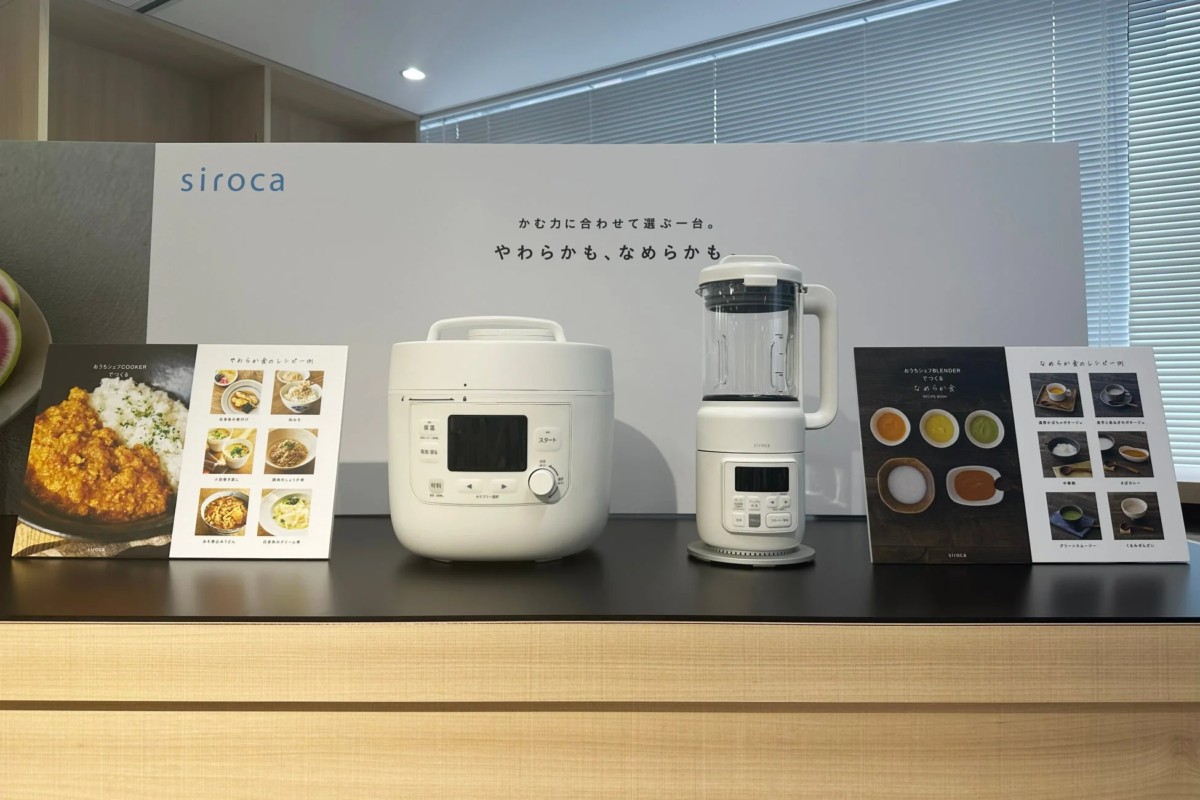
Dr. Gotoh discussed various options for elderly diets, including home-cooked meals, care foods, and delivered bentos, each with its advantages and disadvantages. While home cooking allows for fulfilling individual preferences and eating the same meals as family, it can place a significant burden on caregivers. As a solution to alleviate this burden, he suggested smart appliances like “automatic cooking pots” that soften ingredients while retaining their shape, and “blenders” that can handle everything from heating to blending.
“It’s fine to use care foods or delivered meals. As another option, I believe it’s possible to use home appliances to realize the joy of eating. To sustain dietary habits, it must be a ‘win-win’ relationship for both the individual and the family. We need to create a system within the home to support the elderly’s diet. This, I believe, is truly ‘dignity in eating’.”
About the “Ouchi Chef Cooker”
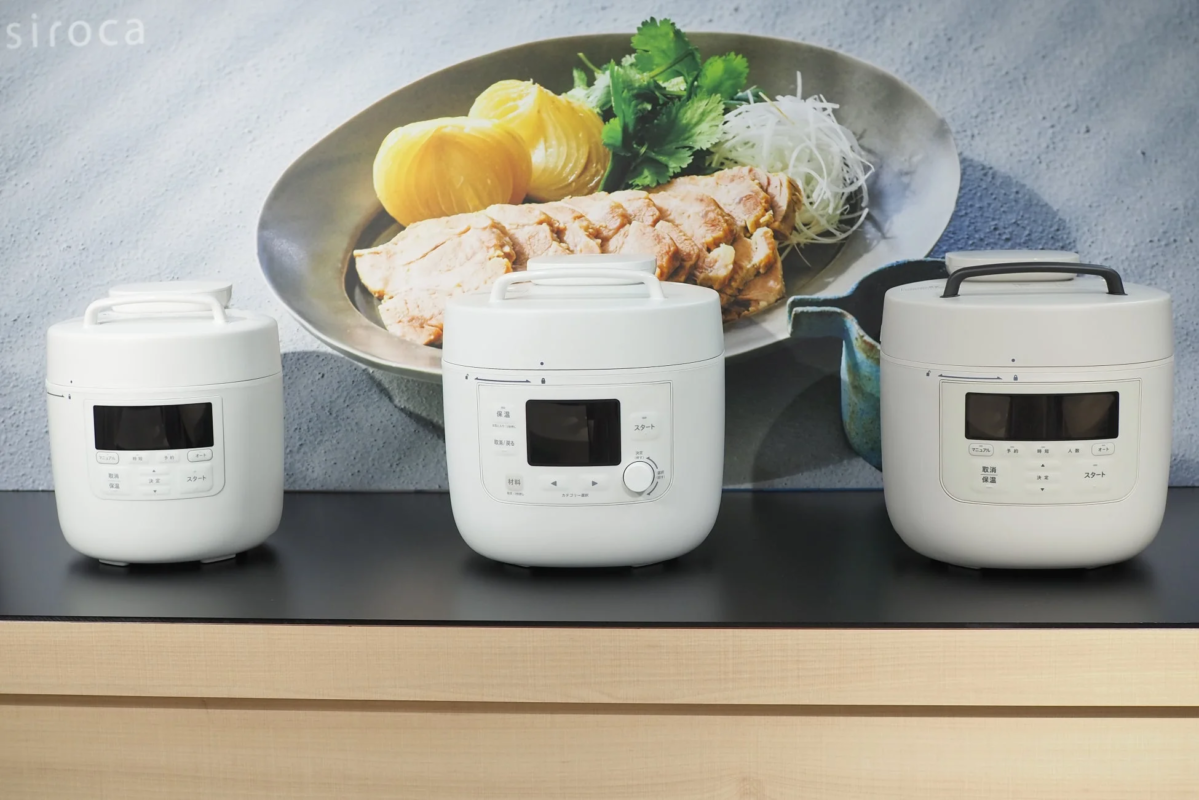
The “Ouchi Chef Cooker” is a time-efficient automatic cooking pot that allows for easy and effective pressure cooking and steaming. It features industry-leading high pressure of 100kPa for pressure cooking, along with “Shunkan Healthy Steam” for quickly steaming multiple ingredients. These functions are ideal for those who prioritize reducing cooking effort and time.
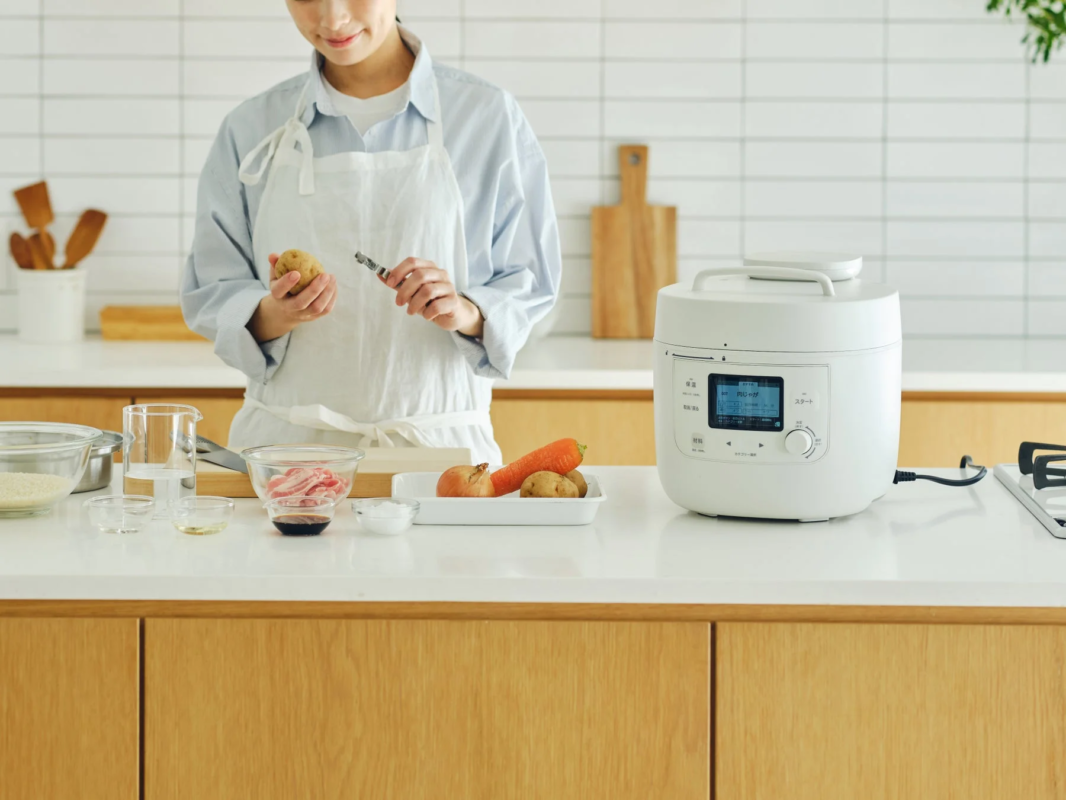
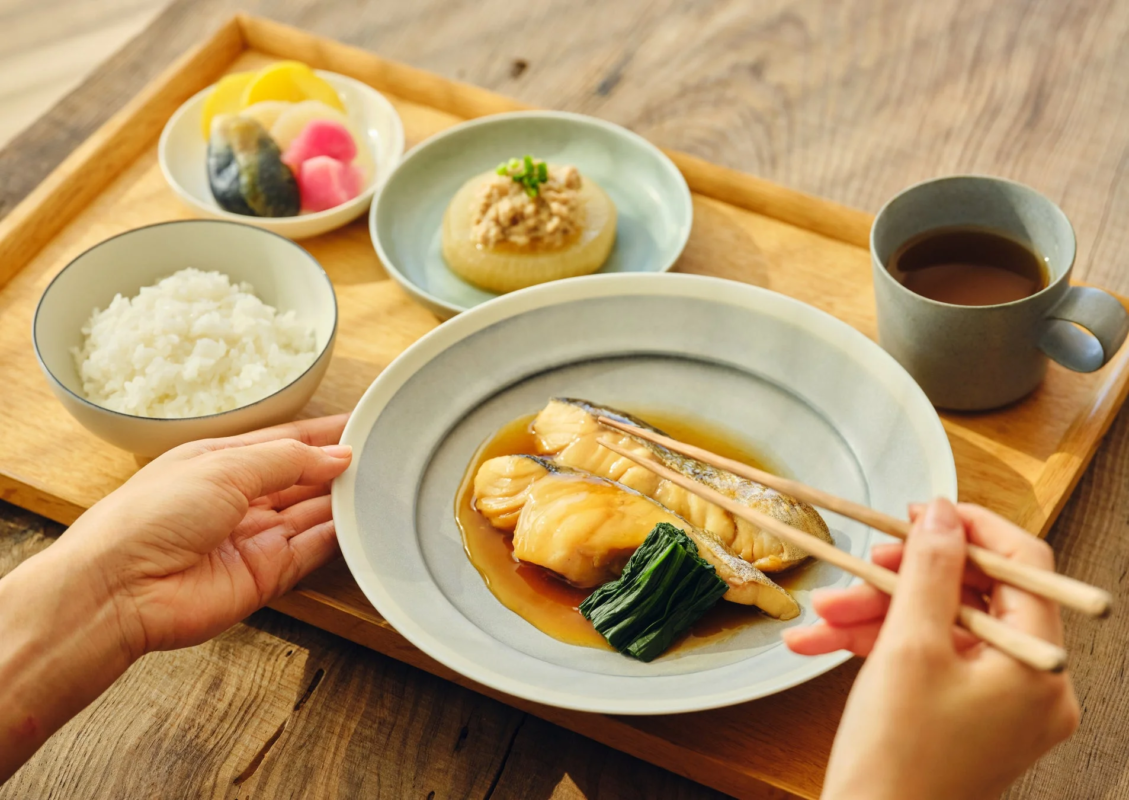
Additionally, it includes a “voice guide” that explains main operation steps and cooking progress, making it accessible to a wide range of generations. In response to the aging society, a separate recipe book for “soft food” has been newly developed to alleviate the burden of preparing care meals.
For more information about Siroca and its products, please visit:
-
Siroca Official Website: https://www.siroca.co.jp/
-
Siroca Online Store: https://store.siroca.jp/
-
Siroca Official Instagram: https://www.instagram.com/siroca.jp/
-
Siroca Official X: https://x.com/siroca_JP
-
Siroca Official note: https://note.com/siroca_inc